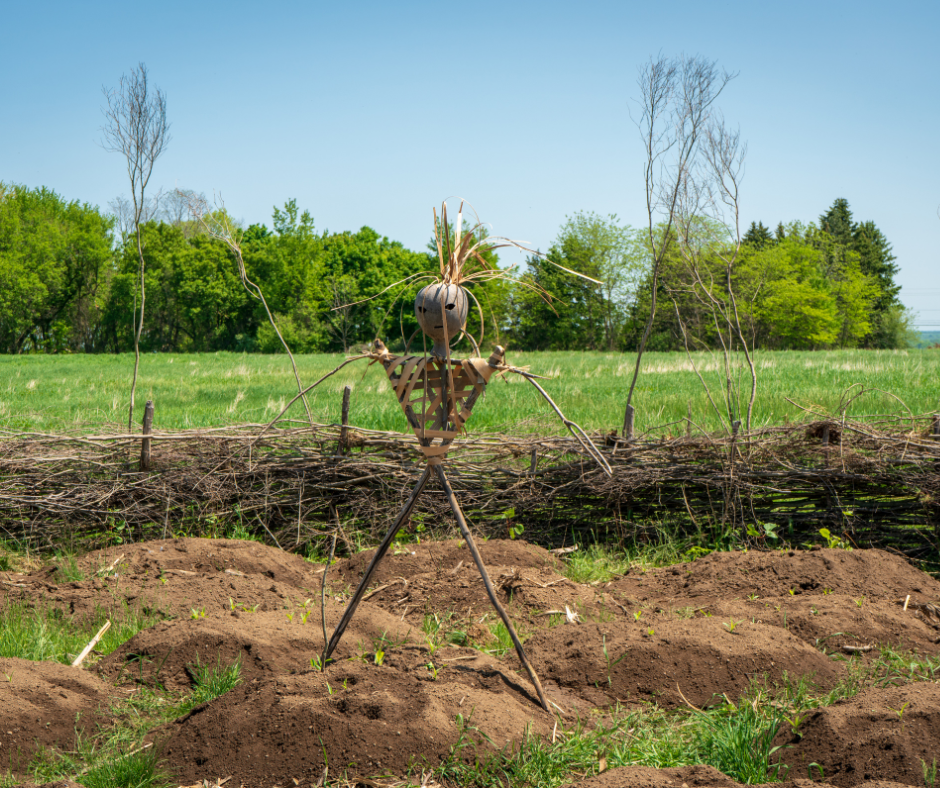
The Three Sisters Garden is a method of companion gardening developed by Native Americans. They plant corn, beans, and squash together which forms a symbiotic relationship.
The Three Sisters Garden is a method of companion gardening developed by Native Americans. They plant corn, beans, and squash together which forms a symbiotic relationship.
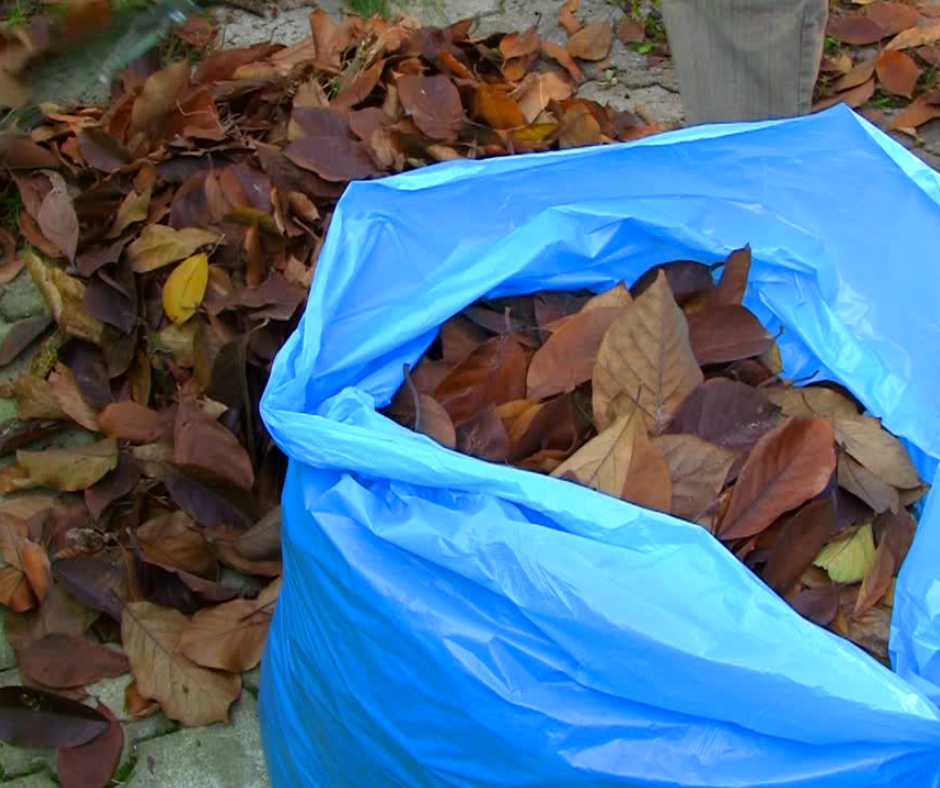
Every fall, millions of bags of leaves and garden waste are hauled away to landfills. But to an organic gardener, it isn't trash at all. It's the foundation of living soil. Pound for pound, the leaves of most trees contain twice as many minerals as manure. Today, let’s look at how you can turn your fall leaves into rich, living gold for free.
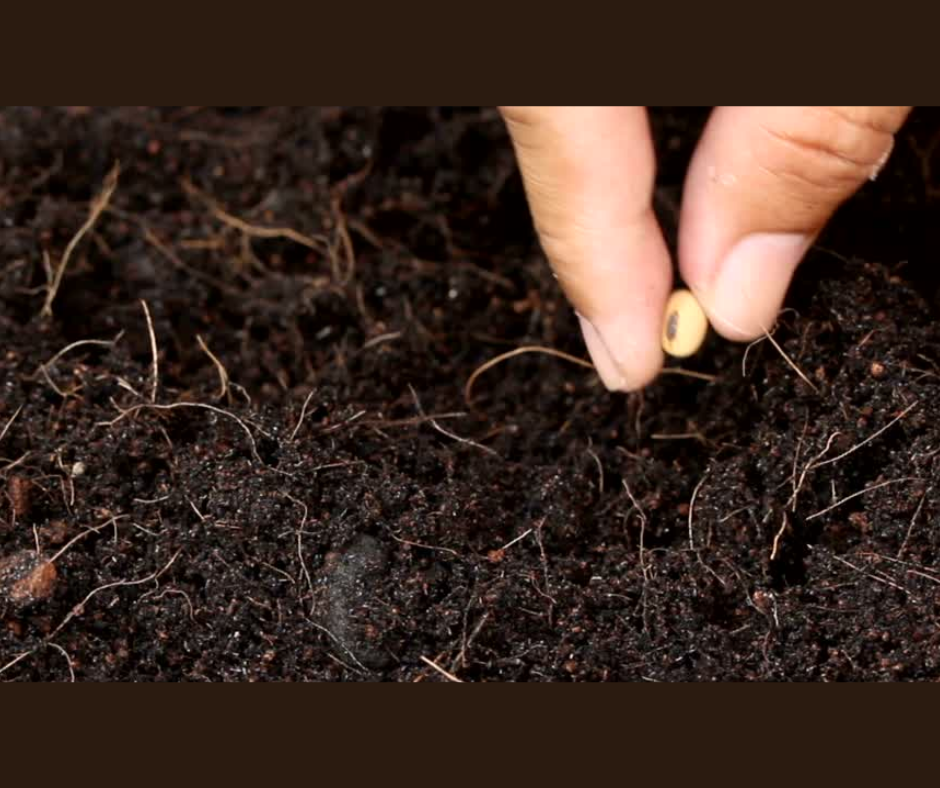
Seeds are where every garden begins. For new gardeners, seed labels and terms can be confusing. Seeds fall into two main categories. Heirloom and Hybrid. Understanding the differences between heirloom and hybrid seeds plus related terms such open-pollinated and GMO plants is essential for gardeners seeking to make informed choices.
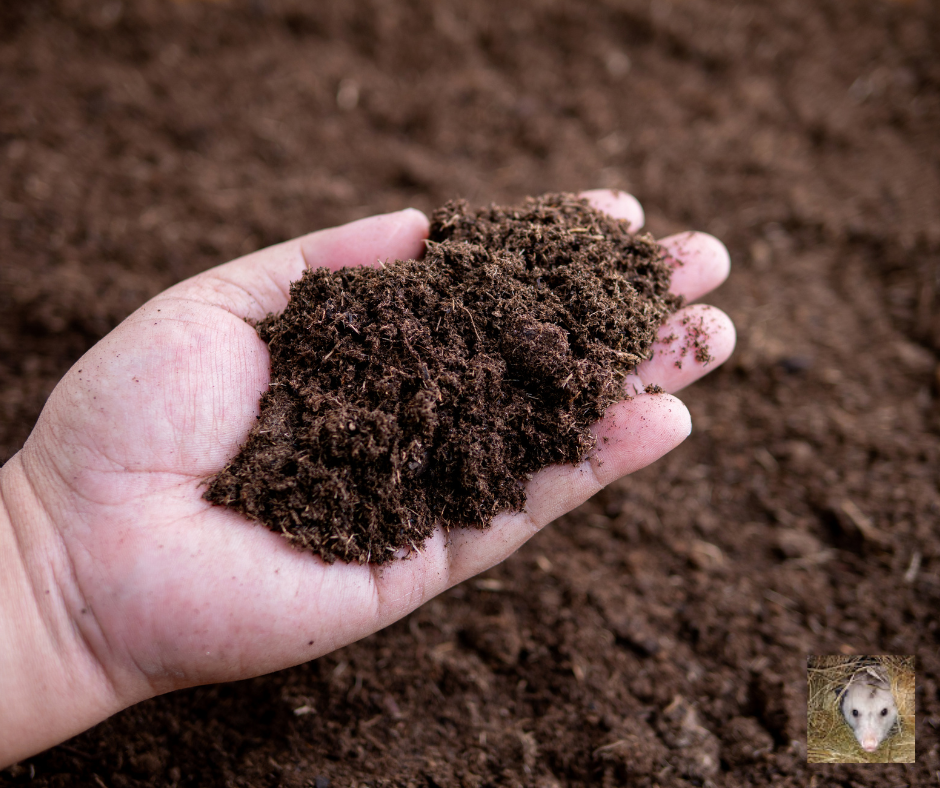
Peat moss is a common material used in gardening. It’s found in many mixes for seed starting and potted plants. Gardeners use it to improve their soil, start seeds, or fill raised beds. It is valued because it holds water well and improves soil structure. It prevents soil compaction and lowers pH which is good for acid loving plants like hydrangeas and blueberries.
Sounds great? However, there is a down side. Peat moss is not environmentally friendly for several reasons. The primary concern unsustainable harvesting and the environmental impact of peatlands, which are critical ecosystems.
Lets look at what peat moss is, how its harvested and some good replacements.
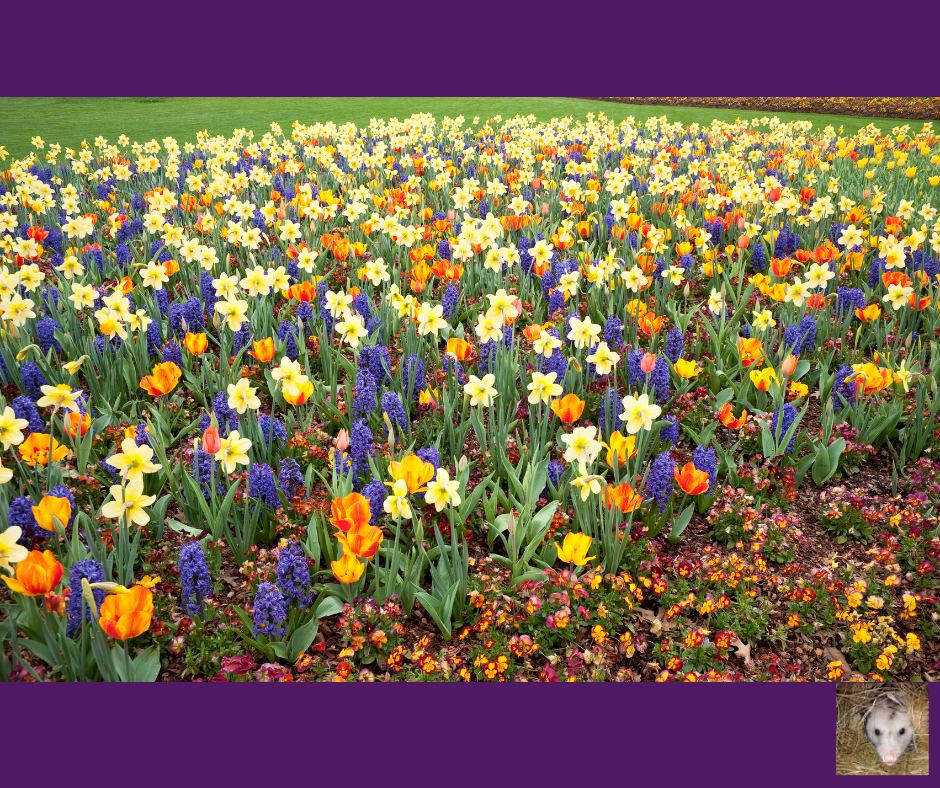
Planting bulb flowers in the fall is an excellent way to ensure a vibrant and colorful garden come spring. I love watching crocuses pop up through the snow. It energizes me. Planting bulb flowers in the fall is an excellent way to ensure a vibrant and colorful garden come spring.
In USDA Zones 5 & 6, the timing and selection of bulbs are crucial to achieving the best results. Let’s talk about when to plant some common bulbs, growing conditions, and some of the different options. Crocus, daffodil, hyacinth, and tulips.
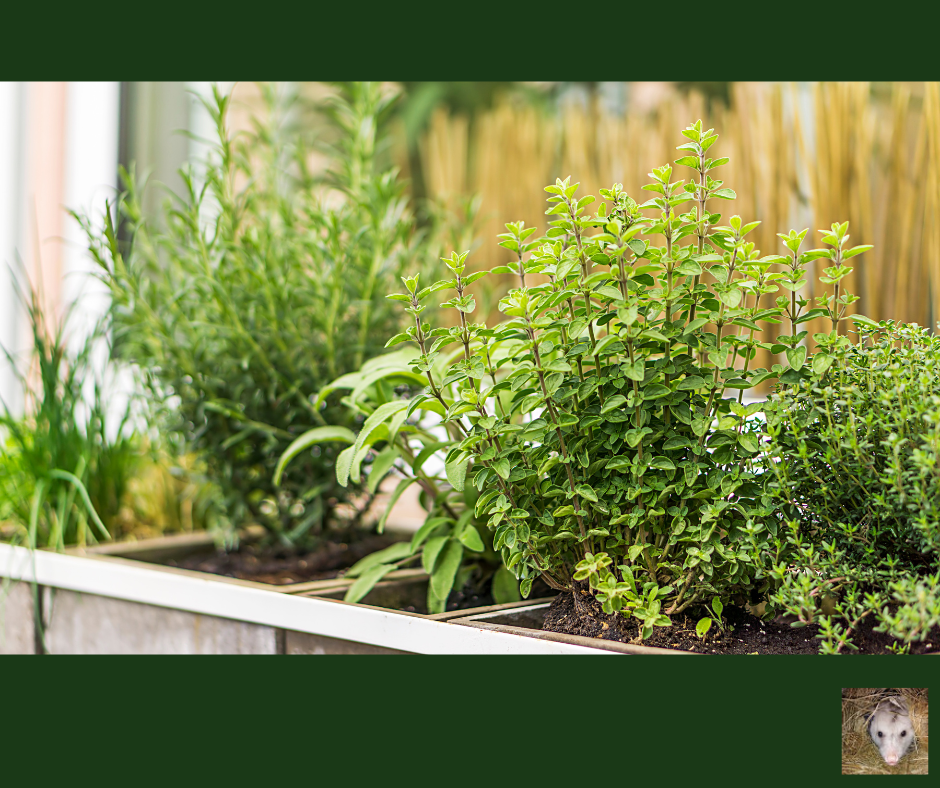
Many herbs add flavor to food. but thats not all. Herbs have natural compounds that have antioxidant, anti inflammatory, and antimicrobial properties. All those cool things that benefit our health and help us fight off germs.
Another health benefits of culinary herbs is that they help add flavor without relying heavily on salt, sugar, or processed sauces.
In this article we look at the health benefits of 7 common cooking herbs, how to use them medicinally, and growing tips.
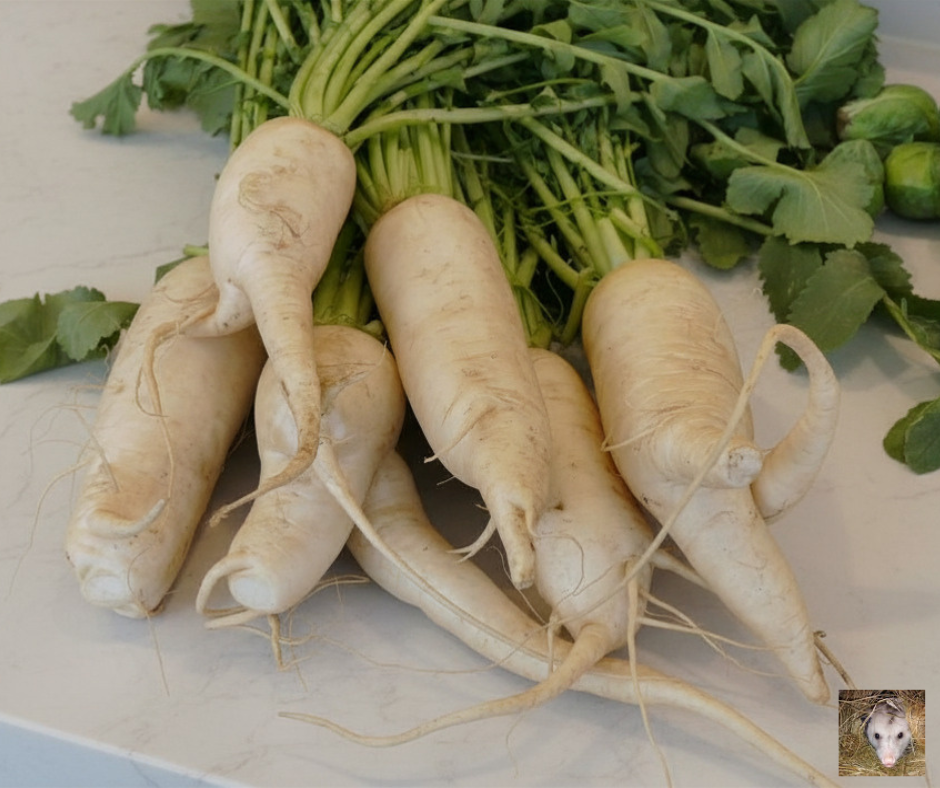
Parsnips (Pastinaca sativa) are a root crop, related to carrots and parsley. They are very cold hardy and do well for fall or overwintering. In fact they need a few weeks of cold weather to make them sweeter.
They are very under appreciated and have a sweet nutty flavor. Parsnips take longer then carrots to grow and can be a bit persnickety but I'm going to help you have a great crop.
Apple trees are one of the most rewarding fruit trees to grow in a home garden. They also attract a wide range of pests and diseases. Knowing what to watch for, and how to respond early, makes a big difference.
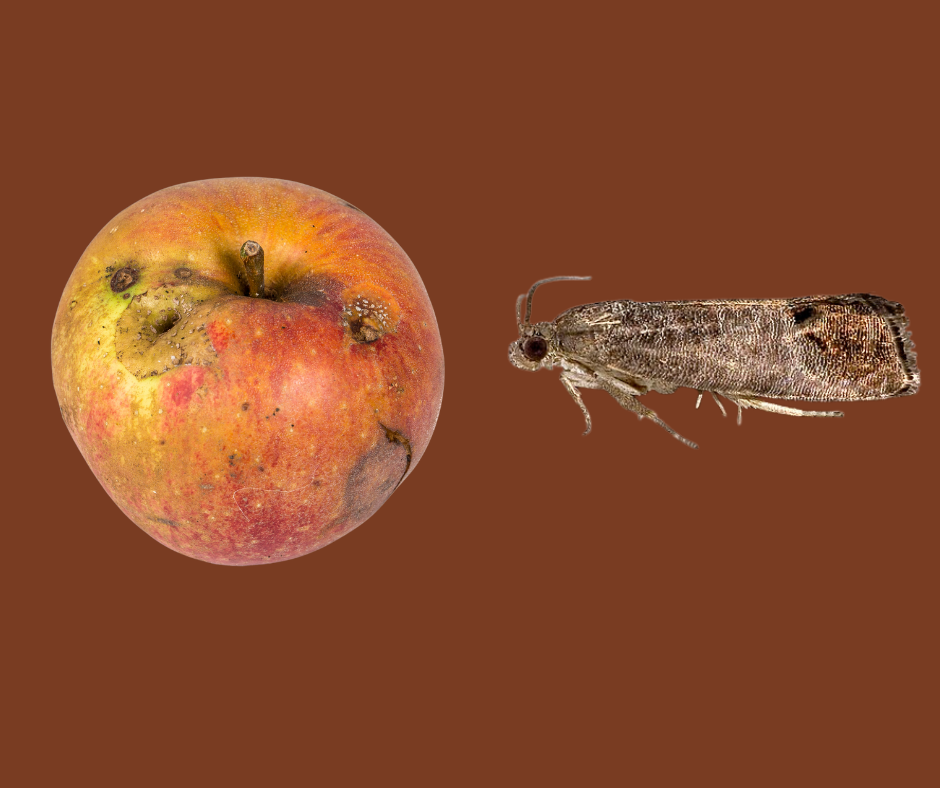
I have been told by many farmers and that you cant raise apples organically. That is simply not true. In this article I am teaching about three apple pests, codling moth, apple maggot, and gypsy moth, and two fungal diseases, powdery mildew and apple scab. And how to prevent and control them.
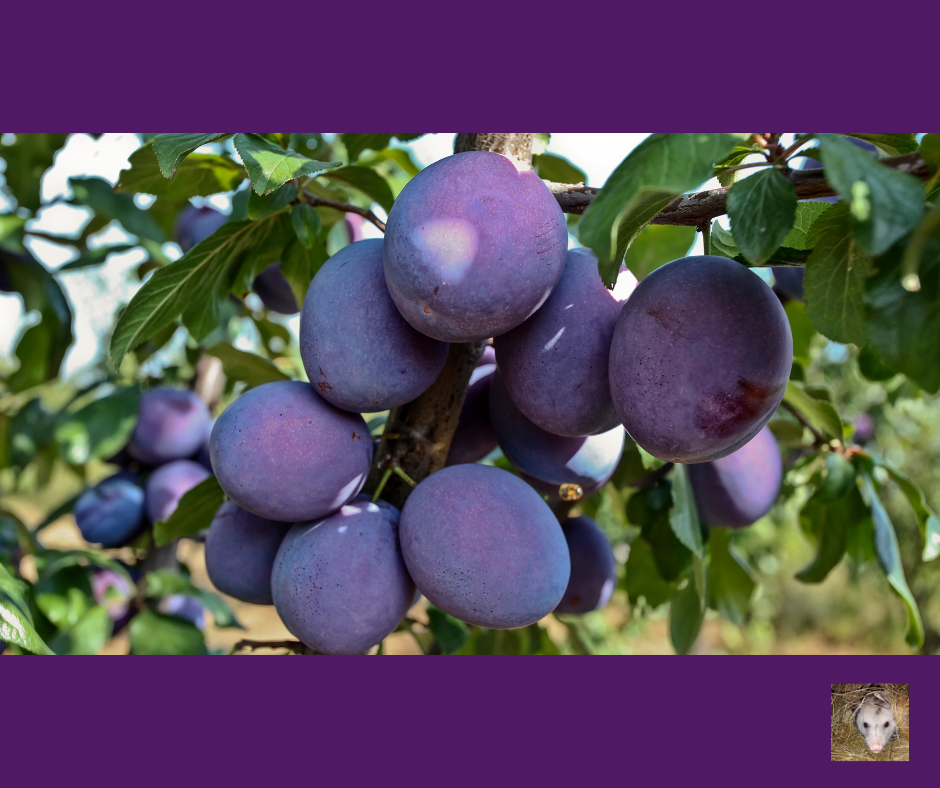
If you grow apples, peaches, or plums in the eastern United States, you will likely deal with plum curculio at some point. The plum curculio (Conotrachelus nenuphar) is a native snout beetle that attacks tree fruit. It is small, but it can ruin a crop quickly if ignored.
As organic growers, we do not panic. We learn the life cycle and interrupt it at the right time. That is the key.
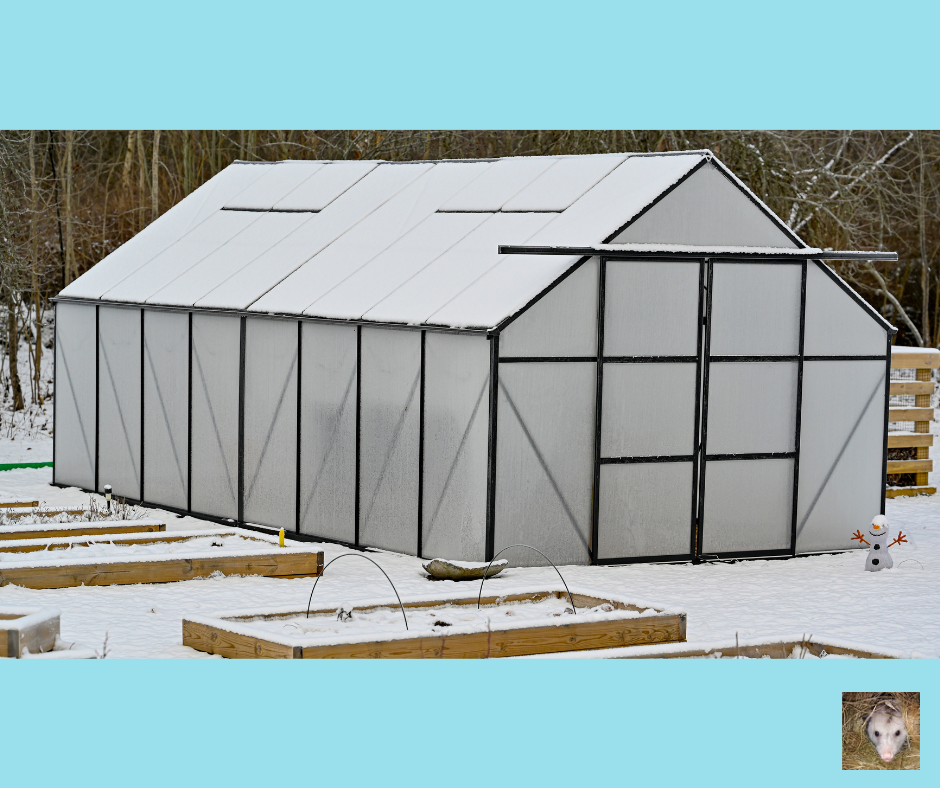
In the winter I crave fresh vegetables. My gardening goal is to extend my harvest as far as I can to provide food for my family all year. Today we are talking about hardy vegetables that are powerhouses in cold weather. Not only do these plants tolerate cold they are easy to grow and will thrive in many soil types.
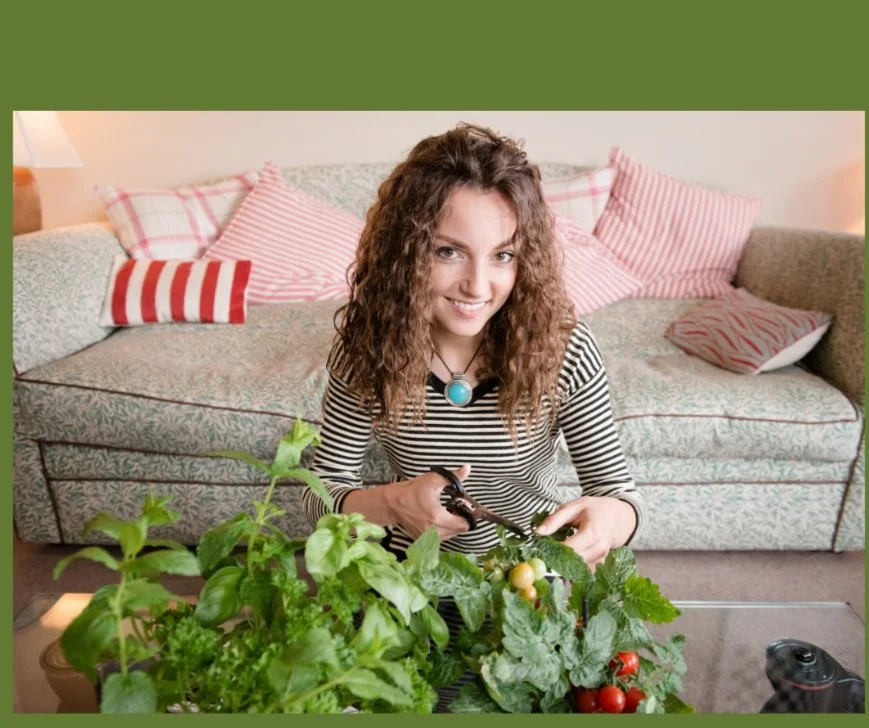
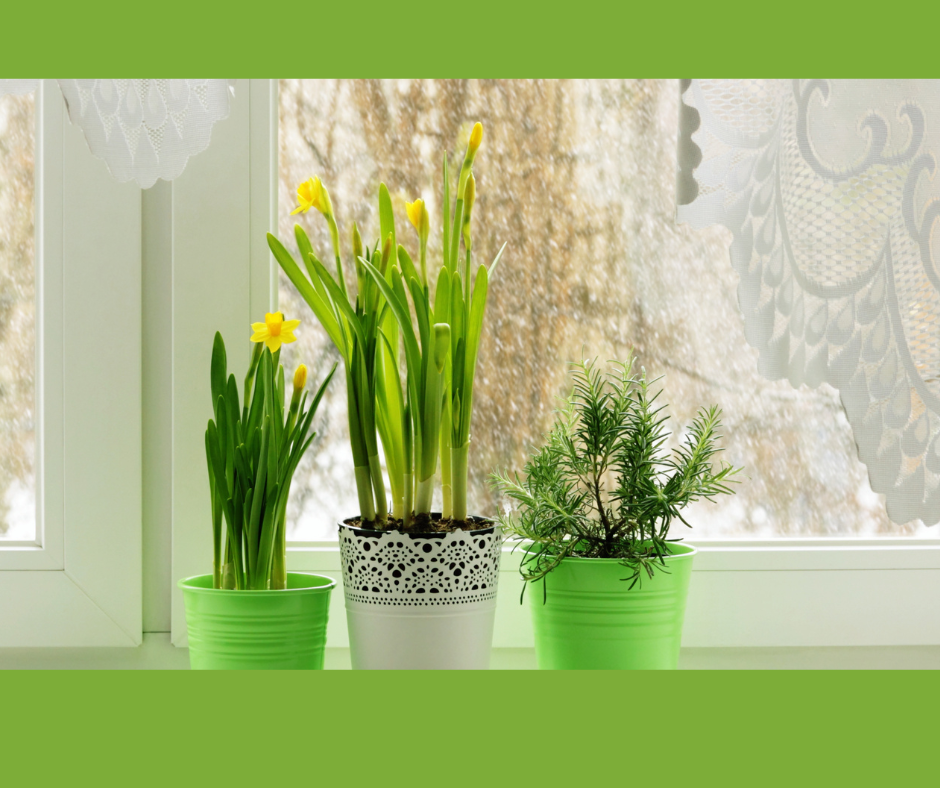
Living in an apartment has taught me many new ways to grow vegetables and fruits indoors. I have discovered that gardening is not limited to a plot of soil.
For many people living in an urban apartment or condominium means they can’t garden in the traditional sense. When I left rural Kentucky for urban Wisconsin, I was very anxious that it meant the end of my ability to have food security. Not to mention that I just loved getting my hands dirty and playing in the dirt.
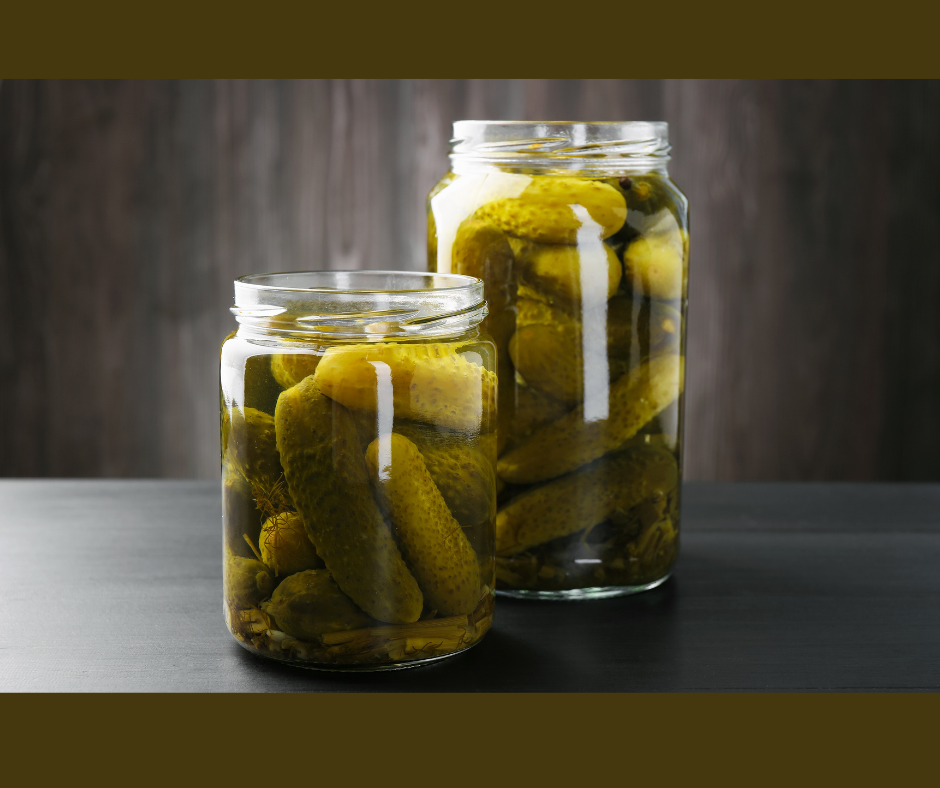
Do you love pickles. I do! I used to grow vegetables for market but now I'm all about growing things that I love to eat. Pickles are a great snack and a great way to get started preserving your own food. I love to eat pickled vegetables strait out of the jar but they are fantastic in sandwiches, tacos, salads, and of course burgers.
Grave gardening is a fun new trend that actually has its roots in the Victorian Age. Planting flowers around a grave was a common hobby in the 1800s both in America and Europe.
Planting around headstones, filling cradle graves, to lush plantings in forgotten rural cemeteries, grave gardening is coming back from the dead.
What is the best thing about June? Fresh strawberries, of course! Strawberries are easy to grow and provide an excellent yield for the amount of space.
In addition to the fantastic taste, strawberries have many great qualities. They are the first fruit of the season and the quickest fruit to produce from planting to eating. Strawberries are also very nutritious and are loaded with vitamin C and antioxidants.